The Ultimate Guide To Companion Planting For A Healthy Thriving Garden
The Ultimate Guide to Companion Planting for a Healthy Thriving Garden
Companion planting is a gardening practice that involves planting certain types of plants together to benefit each other. By carefully selecting your plants, you can create a more balanced and productive garden that requires less maintenance.
There are many different benefits to companion planting. Some of the most common include:
- Attracting beneficial insects and pollinators: Many plants attract beneficial insects and pollinators, such as ladybugs, bees, and butterflies. These insects can help to control pests and improve pollination, which can lead to larger and healthier yields.
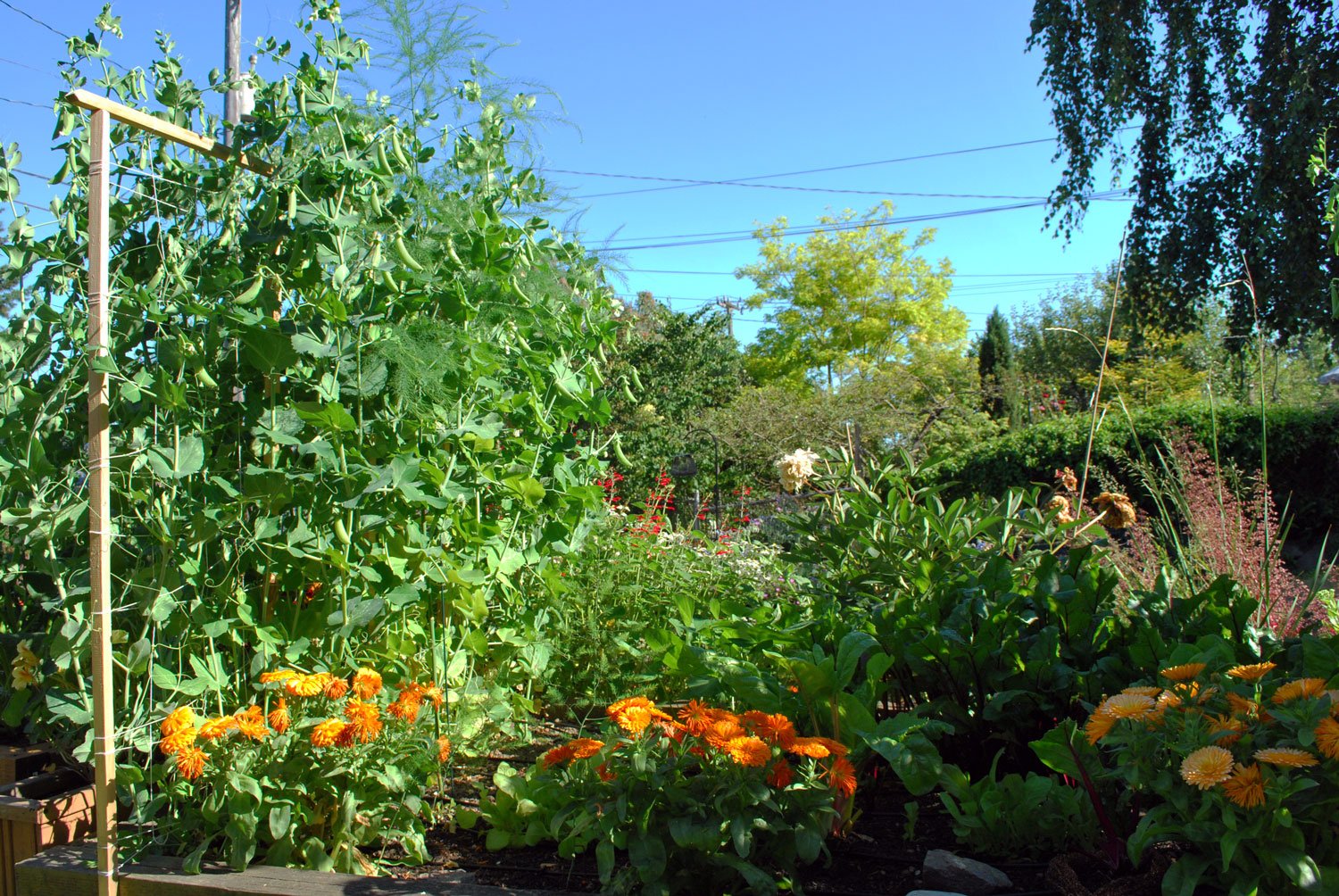
- Reducing pest pressure: Some plants can help to repel or deter pests. For example, marigolds are often planted near tomatoes to help repel nematodes, which can damage tomato roots.
- Improving soil health: Certain plants can help to improve soil health by fixing nitrogen, aerating the soil, or suppressing weeds. For example, legumes such as peas and beans fix nitrogen in the soil, which can benefit other plants in the garden.
- Competition reduction: By planting compatible plants together, you can reduce competition for resources such as sunlight, water, and nutrients. This can help to improve the overall health and productivity of your plants.
If you're new to companion planting, there are a few things you need to know. First, it's important to do your research and learn about the different plants that can be paired together. There are many resources available online and in libraries that can help you with this.
Once you've chosen your plants, you need to decide where to plant them. It's important to consider the size and growth habits of each plant when making your decisions. For example, tall plants should be planted in the back of the garden so they don't shade smaller plants.
You should also consider the timing of your plantings. Some plants are better suited for spring planting, while others are better suited for fall planting.
With a little planning, you can use companion planting to create a healthy and productive garden that requires less maintenance.
Here are some of the most popular companion planting combinations:
- Beans and corn: Beans fix nitrogen in the soil, which corn can use. Corn provides shade for beans, which helps to prevent them from bolting.
- Carrots and onions: Carrots and onions repel each other's pests. Carrots also help to keep the soil loose, which benefits onions.
- Cucumbers and melons: Cucumbers and melons attract pollinators, which can help to improve yields. They also help to suppress weeds.
- Lettuce and tomatoes: Lettuce helps to suppress weeds and attract beneficial insects. Tomatoes help to deter pests such as aphids.
- Peas and beans: Peas and beans fix nitrogen in the soil, which benefits other plants in the garden. They also help to suppress weeds.
Here are some tips for companion planting:
- Do your research and learn about the different plants that can be paired together.
- Consider the size and growth habits of each plant when making your planting decisions.
- Consider the timing of your plantings.
- Experiment and find what works best for you.
With a little planning and effort, you can use companion planting to create a healthy and productive garden that requires less maintenance.
Do you want to grow a healthy and productive garden? If so, you should consider using companion planting. Companion planting is a gardening technique that involves planting certain plants together to benefit each other. For example, tomatoes and basil are often planted together because basil helps to repel tomato hornworms.
If you're not sure which plants are good companions for each other, you can visit Gardenia Inspiration. This website has a comprehensive database of companion planting information. You can search for specific plants or browse by category. The website also includes a garden planner that can help you to create a companion planting plan for your own garden.
Visit Gardenia Inspiration today to learn more about companion planting and to get started on creating your own healthy and productive garden!
FAQ of garden planner companion planting
- What is companion planting?
Companion planting is the practice of planting different plants together for mutual benefit. Some plants can help attract pollinators, deter pests, or improve the soil quality for other plants. For example, planting basil near tomatoes can help repel aphids, and planting beans near corn can help fix nitrogen in the soil.
- How do I find out which plants are good companions for each other?
There are many resources available to help you find out which plants are good companions for each other. You can consult books, websites, or even your local nursery. Some garden planners also have companion planting features that can help you make informed decisions about plant placement.
- How do I use a garden planner to help me with companion planting?
Garden planners can be a great way to help you plan your garden and make sure that you are planting compatible plants together. Many garden planners have companion planting features that can help you see which plants are good companions for each other. You can also use a garden planner to track your plants' progress and make adjustments as needed.
- What are some of the benefits of companion planting?
There are many benefits to companion planting. Some of the most common benefits include:
* Increased crop yields
* Reduced pest and disease problems
* Improved soil quality
* Increased pollinator activity
* Enhanced beauty of the garden
- What are some of the challenges of companion planting?
There are a few challenges that can come with companion planting. Some of the most common challenges include:
* Determining which plants are good companions for each other
* Finding space for all of your plants
* Keeping track of which plants are where
* Dealing with unexpected pests and diseases
Image of garden planner companion planting
- A diagram of a garden planner with different vegetables and herbs labeled. The diagram shows how different plants can be strategically placed in the garden to benefit each other. For example, tomatoes and basil are good companion plants because they attract different types of pollinators.

- A photo of a garden bed with different vegetables and herbs planted together. The vegetables and herbs in the photo are all companion plants, which means that they benefit each other when they are planted together. For example, the tomatoes are providing shade for the lettuce, and the marigolds are deterring pests from the beans.

- A chart of companion planting that shows which plants are good to plant together and which plants should be avoided. The chart is divided into two sections, one for vegetables and one for herbs. Each section lists the plants that are good to plant together, as well as the plants that should be avoided.
- A blog post about companion planting that provides tips on how to choose the right plants for your garden. The blog post discusses the benefits of companion planting, as well as how to find the best companion plants for your specific climate and growing conditions.
- A video tutorial on companion planting that shows how to plant a companion planting garden. The video tutorial walks viewers through the process of choosing the right plants, preparing the soil, and planting the seeds or seedlings.


Post a Comment for "The Ultimate Guide To Companion Planting For A Healthy Thriving Garden"