Gatsby Hydrangeas: The Ultimate Guide To Growing And Caring For These Stunning Flowers
Gatsby Hydrangeas are a type of hydrangea that is known for its large, showy blooms. They are a popular choice for gardens because they are relatively easy to care for and can add a touch of elegance to any landscape.
In this blog post, we will provide an overview of Gatsby Hydrangeas, including their history, appearance, and growing requirements. We will also discuss some tips for caring for Gatsby Hydrangeas so that you can enjoy their beauty for many years to come.
History of Gatsby Hydrangeas
Gatsby Hydrangeas were first introduced in 1997 by the Proven Winners plant breeding company. They are a cross between two other hydrangeas, Hydrangea macrophylla and Hydrangea serrata.
The name "Gatsby" was chosen because the flowers of this hydrangea are said to resemble the large, elaborate hats that were popular in the Jazz Age. The flowers are also a deep blue color, which is reminiscent of the Great Gatsby's iconic green light.
Appearance of Gatsby Hydrangeas
Gatsby Hydrangeas are large shrubs that can grow up to 6 feet tall and wide. They have dark green leaves and large, cone-shaped flowers that can reach up to 12 inches in diameter. The flowers are typically blue or pink, but they can also be white or lavender.
Growing Requirements of Gatsby Hydrangeas
Gatsby Hydrangeas are relatively easy to care for. They prefer full sun to partial shade and moist, well-drained soil. They are hardy in USDA zones 5-9.
To help your Gatsby Hydrangeas thrive, you should fertilize them once a month during the growing season with a balanced fertilizer. You should also water them deeply and regularly, especially during hot, dry weather.
Tips for Caring for Gatsby Hydrangeas
Here are some additional tips for caring for Gatsby Hydrangeas:
- Mulch around the base of the plant to help retain moisture and suppress weeds.
- Prune your Gatsby Hydrangeas in the spring, after the flowers have faded.
- Protect your Gatsby Hydrangeas from frost by covering them with a burlap sack or other protective covering during the winter.
Conclusion
Gatsby Hydrangeas are a beautiful and easy-to-care-for addition to any garden. With proper care, they will provide you with years of enjoyment.
If you're looking for a hydrangea that's as beautiful as it is easy to care for, then the Gatsby hydrangea is the perfect choice for you. With its large, showy blooms that quickly transform from pure white to a glorious pink, the Gatsby hydrangea is sure to add a touch of elegance to any garden. And because it's hardy in zones 5-9, you can enjoy its beauty year after year.
But don't just take my word for it. To learn more about the Gatsby hydrangea, I suggest you visit . This website has a wealth of information about this amazing plant, including its care requirements, planting tips, and more. You can also find photos and videos of the Gatsby hydrangea in bloom, so you can see for yourself why it's one of the most popular hydrangeas on the market.
So what are you waiting for? Visit today and learn more about the Gatsby hydrangea!
FAQ of gatsby hydrangea
- What is a Gatsby hydrangea?
A Gatsby hydrangea is a type of hydrangea that is known for its large, showy blooms. It is a relatively new variety, first introduced in 2012. Gatsby hydrangeas are typically grown as shrubs, and they can reach heights of up to 6 feet. They are hardy in USDA zones 4-9.
- When do Gatsby hydrangeas bloom?
Gatsby hydrangeas bloom in the summer, typically from June to August. The blooms can last for several weeks.
- What colors do Gatsby hydrangeas bloom in?
The color of Gatsby hydrangea blooms can vary depending on the soil pH. In acidic soil, the blooms will be blue or pink. In neutral or alkaline soil, the blooms will be white.
- How do I care for a Gatsby hydrangea?
Gatsby hydrangeas are relatively easy to care for. They need full sun to partial shade and moist, well-drained soil. They should be fertilized once a month during the growing season. In the fall, the spent blooms should be removed.
- What are some common problems with Gatsby hydrangeas?
Some common problems with Gatsby hydrangeas include:
- Leaf spot: This is a fungal disease that can cause leaves to develop brown or black spots. It can be treated with a fungicide.
- Pests: Gatsby hydrangeas can be susceptible to pests such as aphids, scale insects, and Japanese beetles. These pests can be controlled with insecticidal soap or neem oil.
- Winter damage: Gatsby hydrangeas are hardy in USDA zones 4-9, but they may suffer winter damage in colder climates. To protect them from winter damage, you can mulch around the roots and cover the plant with a burlap sack.
Image of gatsby hydrangea
5 different images of "gatsby hydrangea" from Pinterest:
- Gatsby Hydrangea in full bloom. The flowers are a beautiful shade of blue, with some hints of pink. The blooms are large and showy, and they make a great statement in any garden.

- Gatsby Hydrangea in a pot. This hydrangea is perfect for small gardens or patios. It can also be grown indoors as a houseplant.
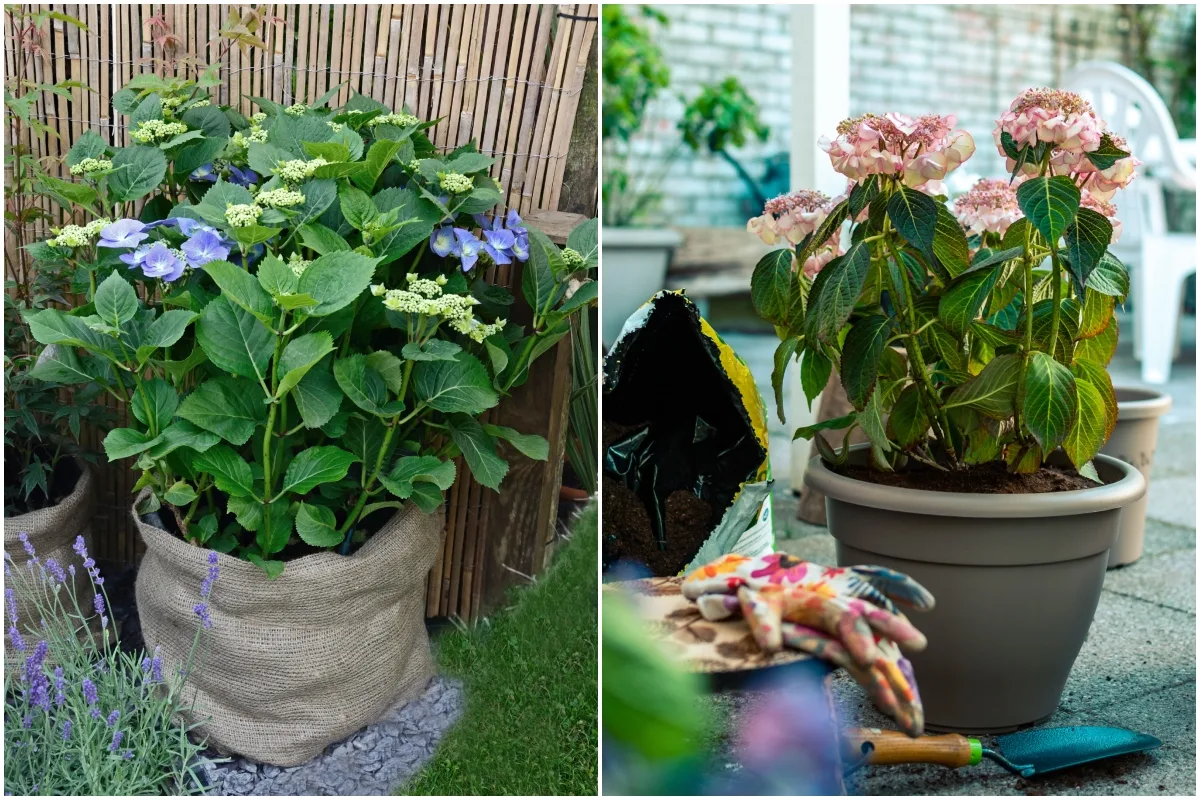
- Gatsby Hydrangea in a hedgerow. This hydrangea is used to create a natural hedgerow in this garden. The flowers add a touch of color and interest to the hedgerow.

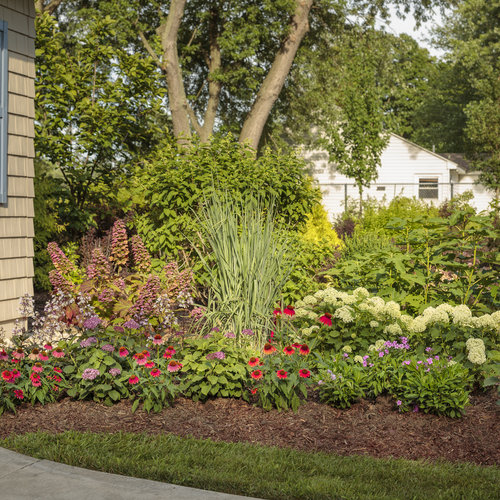
- Gatsby Hydrangea with other flowers. This hydrangea is planted with other flowers in a flower bed. The different colors and textures of the flowers complement each other beautifully.
- Gatsby Hydrangea in the fall. The leaves of the Gatsby hydrangea turn a beautiful shade of red in the fall. This makes it a great choice for gardens that want to add some color in the fall.


Post a Comment for "Gatsby Hydrangeas: The Ultimate Guide To Growing And Caring For These Stunning Flowers"